
When Emotions are Real
“The body expresses what the mind is unable to articulate.”

Over the years, I have noticed something inconvenient…
The mind and body cannot be separated. We try. Medicine tries. Patients try.
When someone says, “It’s all in his head,” they could mean that the person’s symptoms are not real or not genuine.
But worry, stress, grief, or an unresolved emotional soreness…. that’s real. Not imagined. Not fake. Just not visible on a blood test. (Although I think if certain unresolved emotions are unacknowledged or unresolved for long enough it would end up as being visible on a blood test…we’ll just probably diagnose it as something medical… but the root cause was still emotional. Or it ends up being visible as an addiction.)
Some patients will totally deny any stress as a cause of what they are physically feeling. And they may genuinely be unaware of the emotional trigger. I think we sometimes even carry emotions/feelings/psychological burdens that are not even ours! But they still have a physical effect on us.
Although this sort of thing can sound “wishy washy” or like “alternative thinking,” science is catching up. Studies are proving that stress and emotions have more of an impact on us than what we think.
Thoughts influence hormones. Hormones influence mood. Emotions trigger certain chemicals to be released. The immune system listens to the nervous system. We know that chronic stress can alter immune function, affect the gut, disrupt sleep, and increase inflammation. It’s not controversial anymore. It’s been proven. It’s physiology.
Dr. Bessel van der Kolk, author of The Body Keeps the Score, writes that “Trauma and stress are not only stories in the mind. They are patterns in the nervous system.” It’s a very interesting book for anyone who is curious about how emotions are stored in the body.
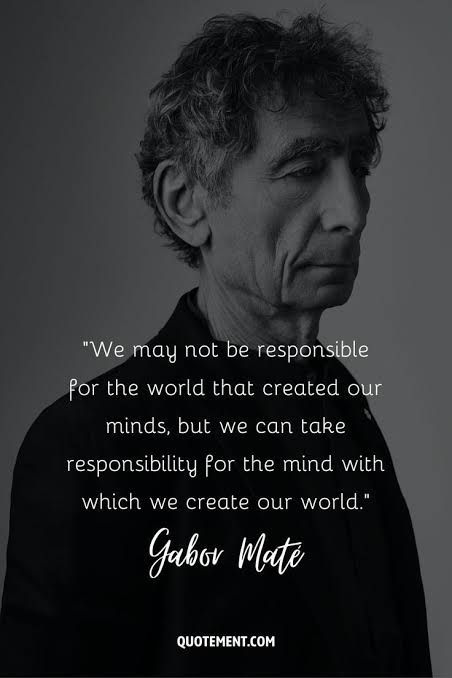
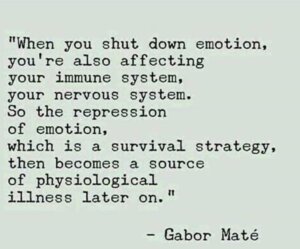
Dr. Gabor Maté has long fascinated me. He has spent decades exploring how suppressed emotions and chronic stress may shape patterns of illness, particularly in autoimmune conditions and addiction. He proposes that certain personality traits, such as chronic self suppression, people pleasing, or an inability to express anger, can increase vulnerability to disease. For example, he has suggested that women who constantly put others’ needs ahead of their own and suppress their own emotional boundaries may carry a higher risk for illnesses such as breast cancer. His ideas are not accepted by everyone but they are thought provoking.
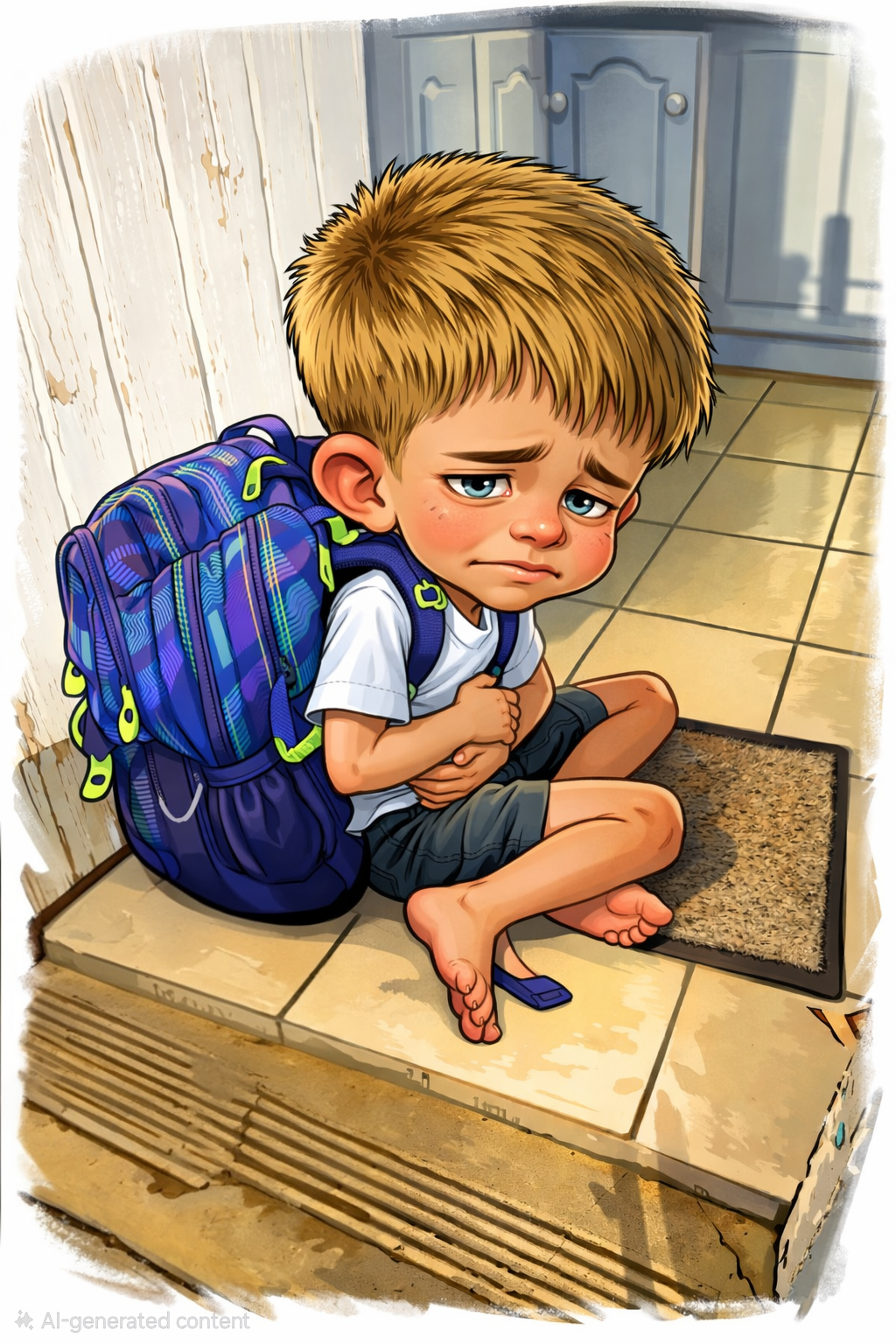
In children it is sometimes more obvious that the body speaks what the child cannot articulate. A stomach ache before school is a prime example. But adults have this too, if we want to believe it or not. That’s why I have paraphrased this quote as: “The body expresses what the mind is unable to articulate.”
I think this is why art and creativity can be good therapies. Sometimes, the parts of our brains that turn emotions into thoughts and words are not able to express what is felt. But drawing, painting or dancing can.
And I am not saying that all body ailments have a psychological origin. The psychological ailment could have a physical origin. It’s all so intertwined.
If symptoms are real to the person, then they are real. The root cause may not be visible in the blood.
I like approaching treatment from a lifestyle medicine perspective. It brings things back to earth. Six pillars. Nutrition. Physical activity. Sleep. Stress management. Avoidance of risky substances. Social connection. These are tangible. Practical. They influence both mind and body.
Sometimes you just have to start somewhere.
You cannot untangle every emotional thread, but you can still go for a walk. You can still eat something grown from the soil. You can still breathe deeply for two minutes. You can still reduce the sugar spikes that amplify stress chemistry.
Sugar is also often about emotion. Comfort. Reward. Numbing. In Rewrite Your Sugar Story, I explore how understanding your patterns, triggers and nervous system responses can help you change your relationship with sugar in a way that feels kind rather than punishing. It’s been helping me recognize how I treat certain feelings when they arise.
Emotions are real. Even when we wish they were not. Even when we would prefer a neat lab value and a prescription for a magic pill.
Sometimes the body is asking us to listen, to acknowledge, then to change, accept or to let go.