
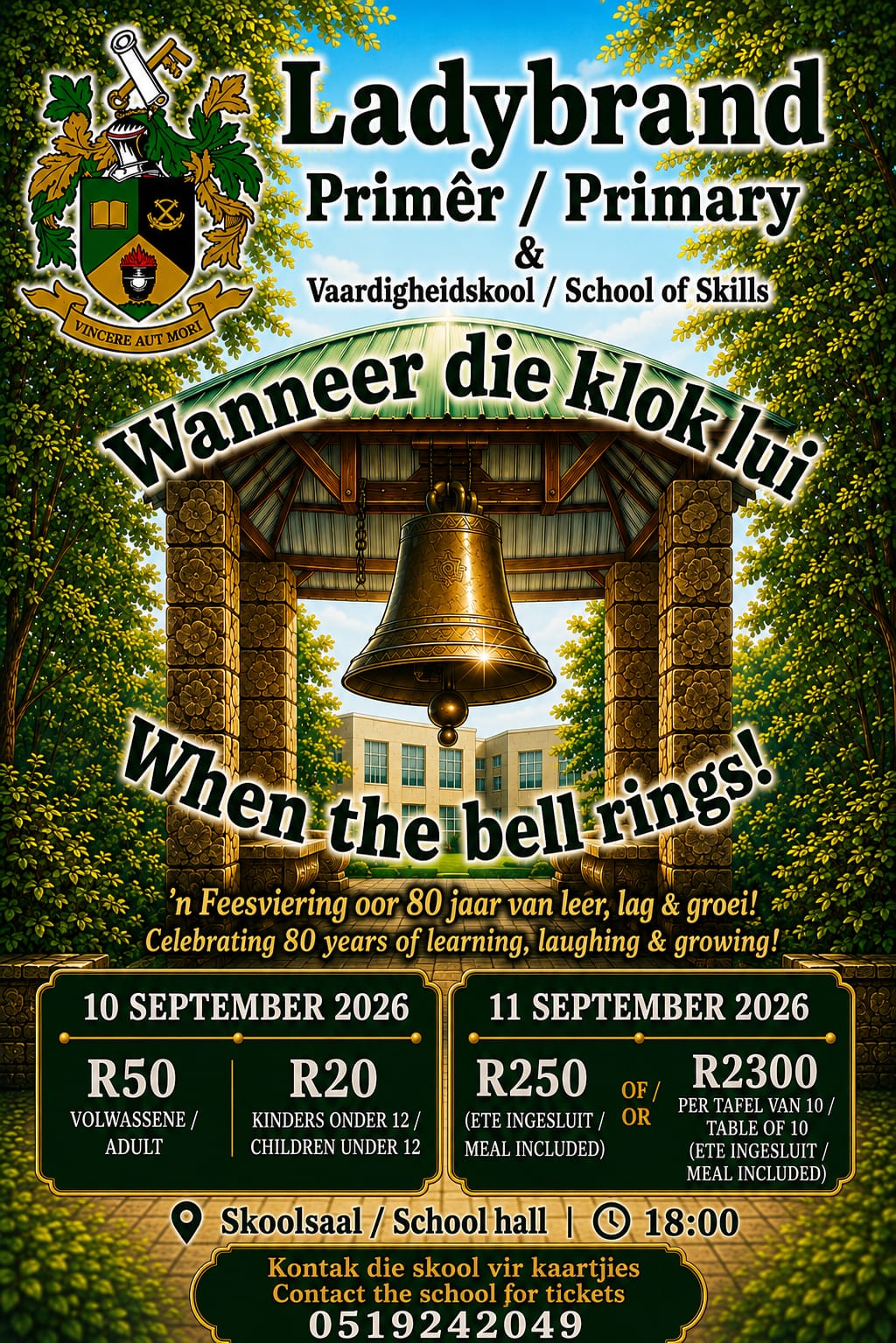
When the Bell Rings – Ladybrand Primary’s Concert
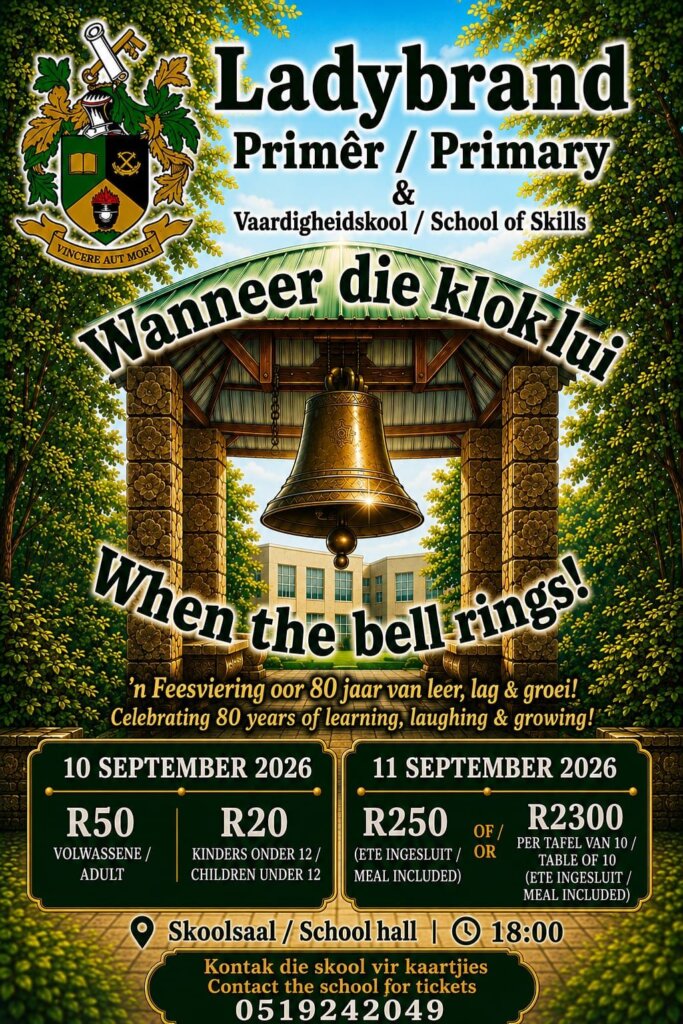
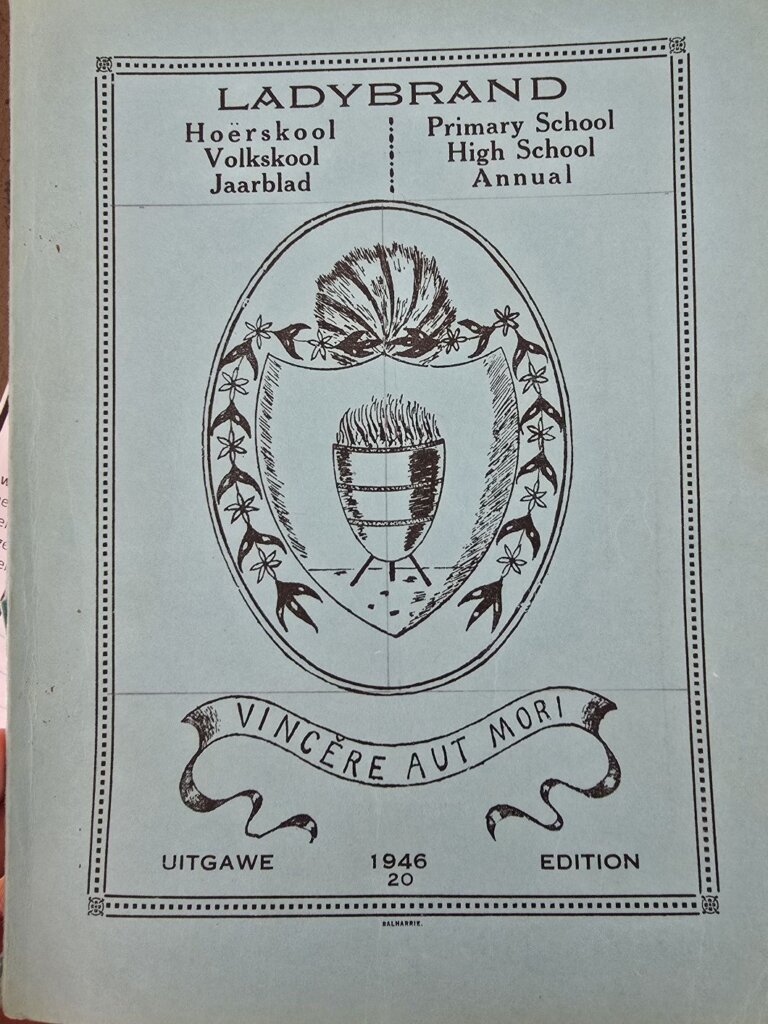
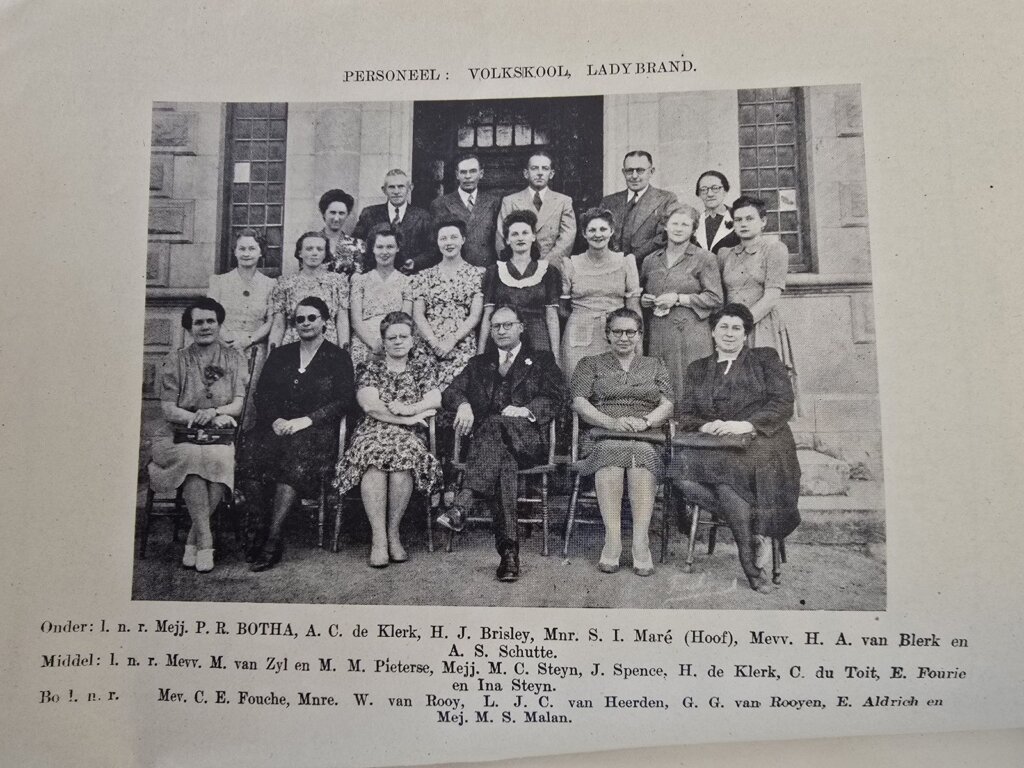
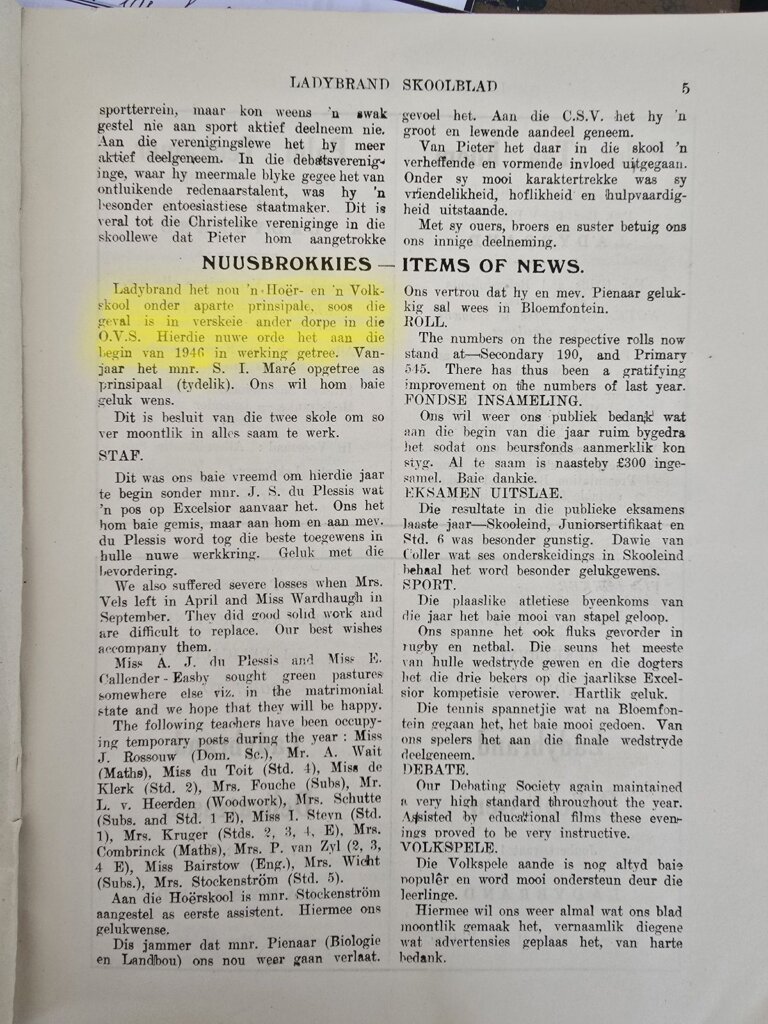
This year, Ladybrand Primary School celebrates its 80th birthday! Since becoming an independent primary school in 1946, the school has come a long way, growing and evolving with every new generation.
Along the way, the School of Skills was established in 1978, and Bokmakierie welcomed its first Grade R learners in 2001.
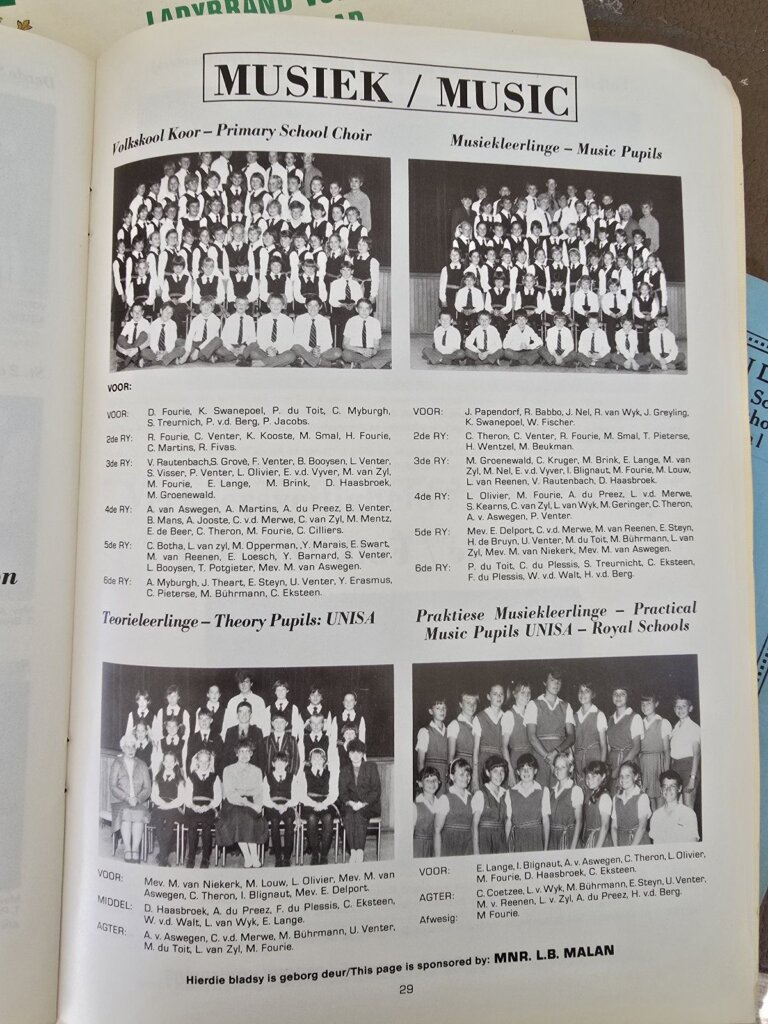
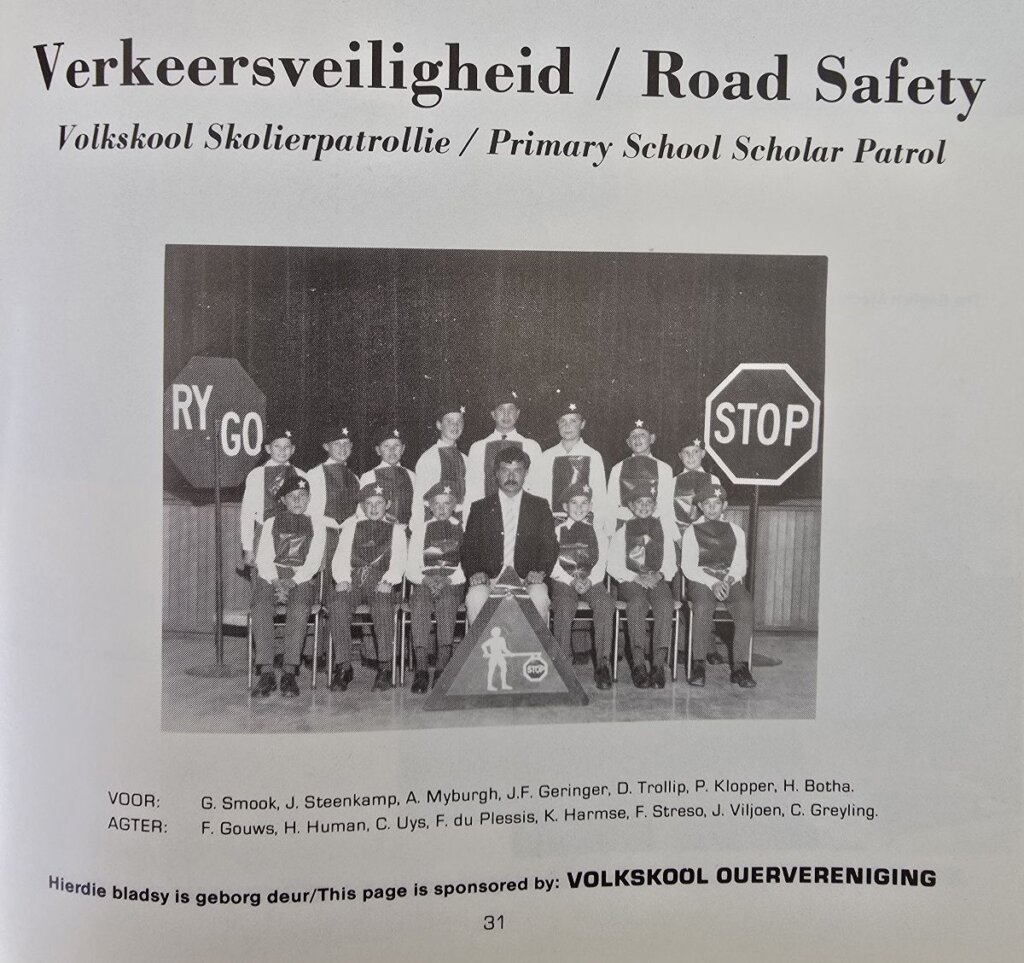
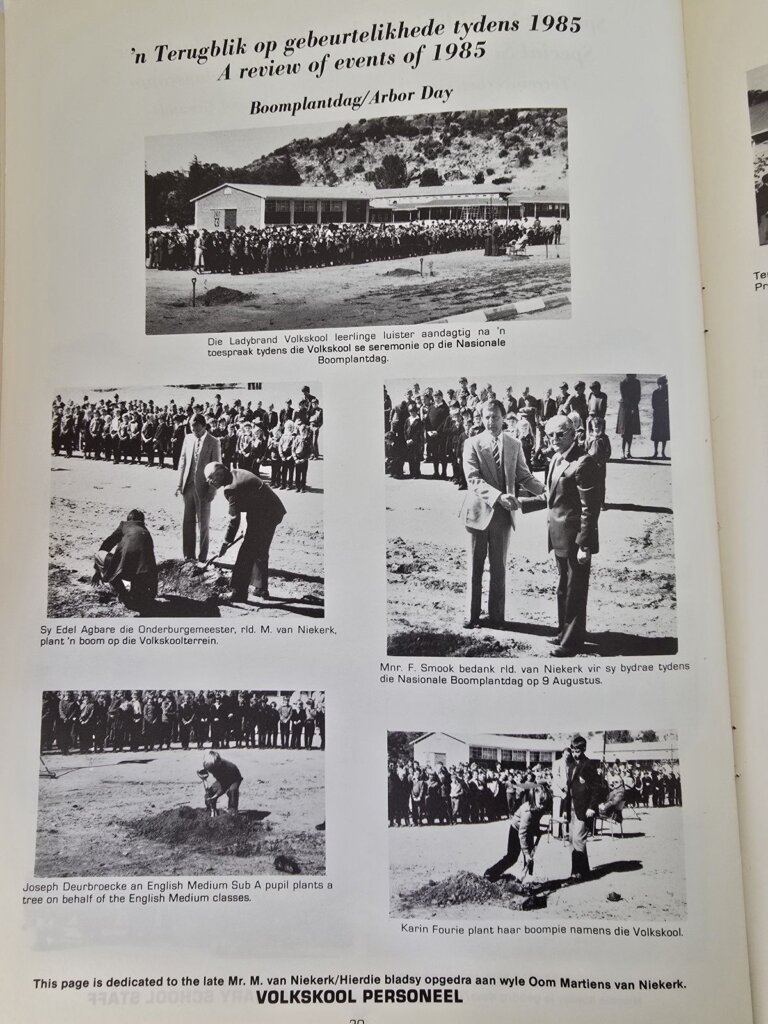
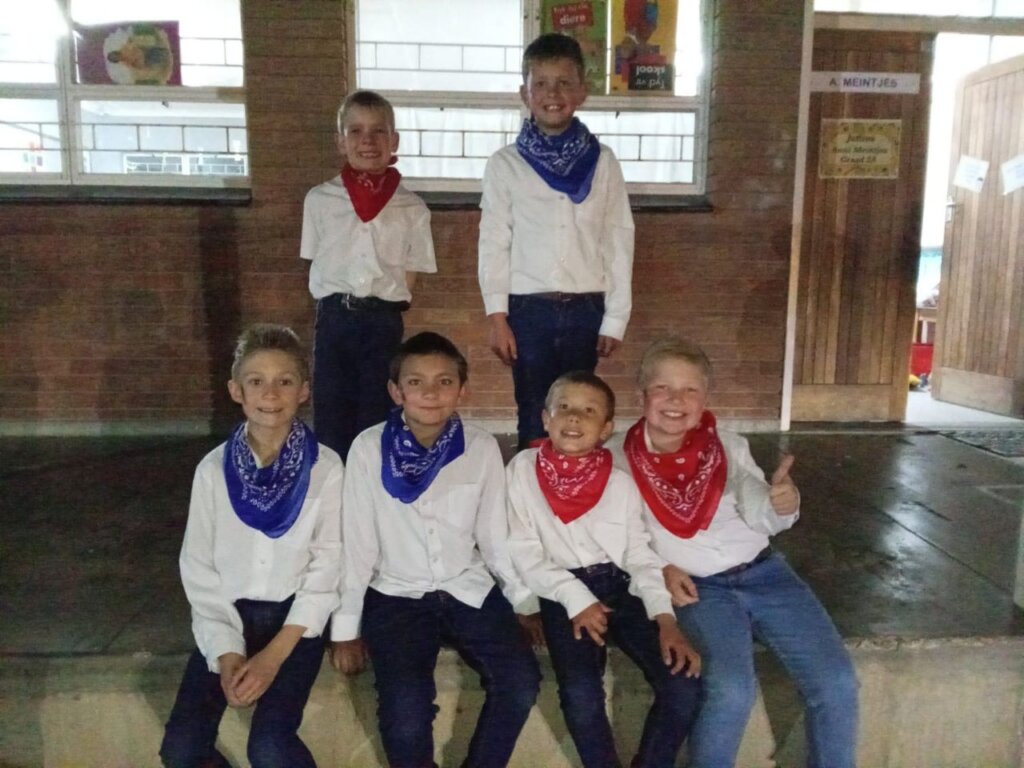
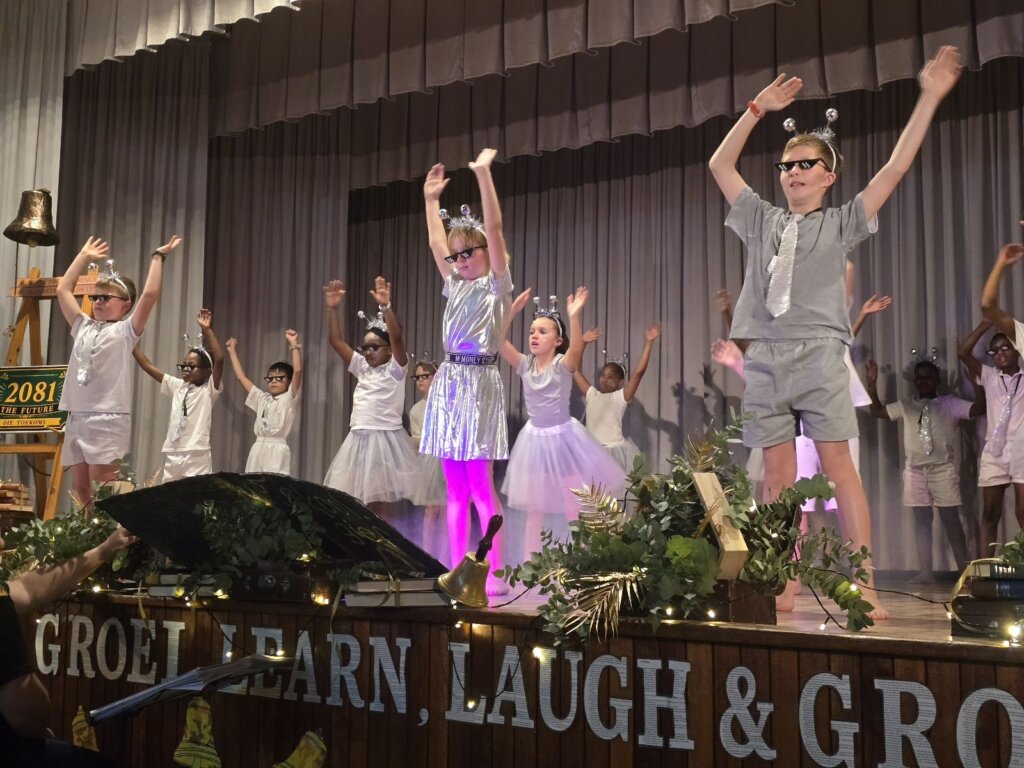
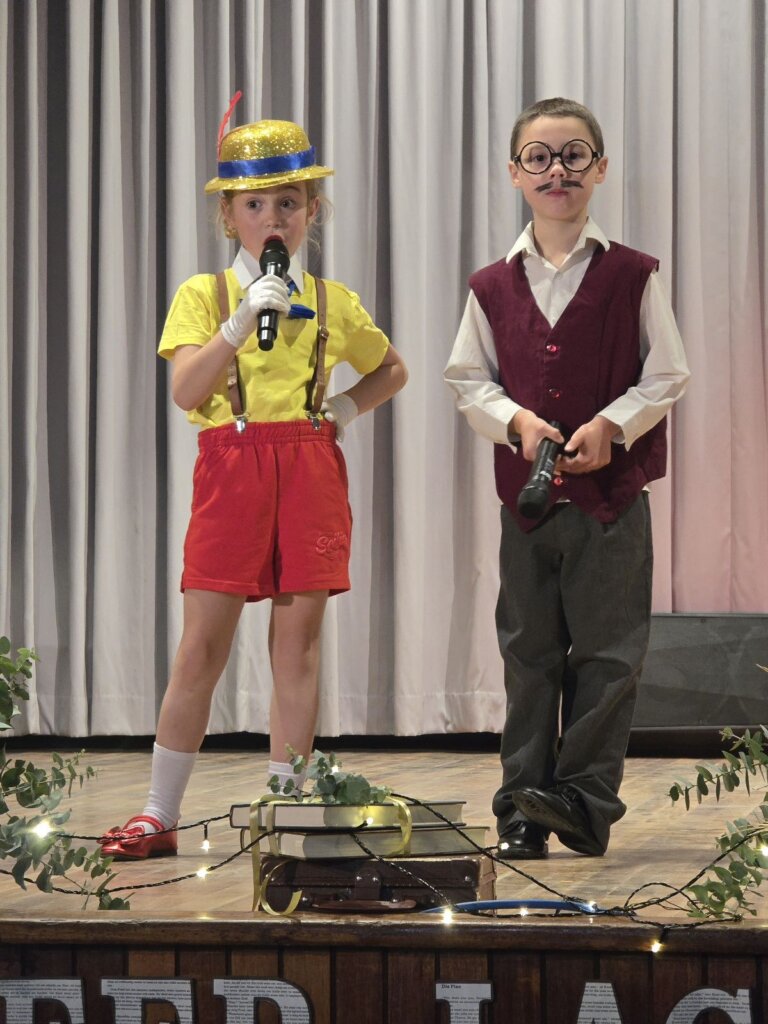
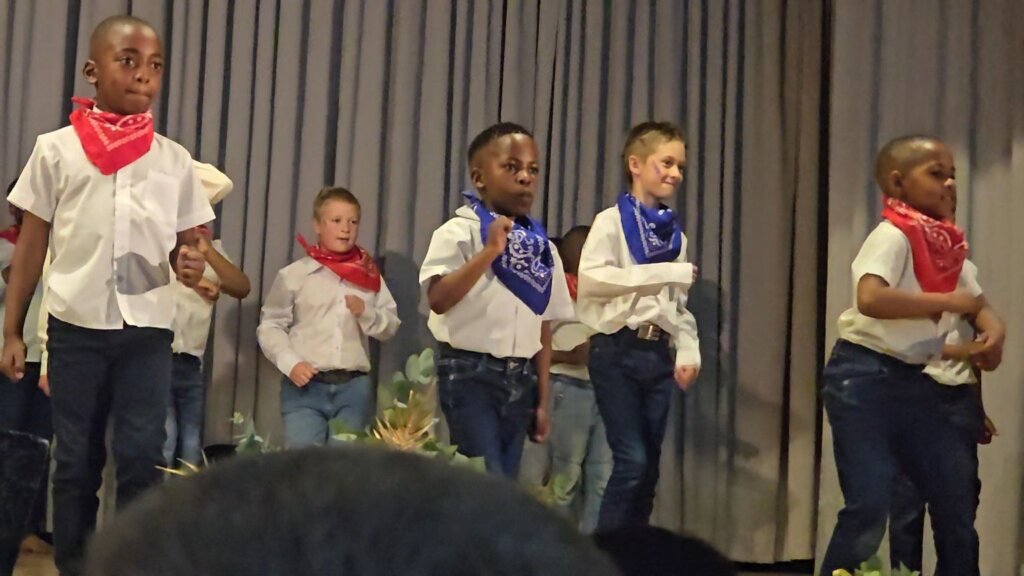
This concert, When the Bell Rings, is a celebration of 80 years of learning, laughter, growth and shared memories. We will journey back through the decades, remembering some of the people, moments, music and memories that helped shape the school we know today.
When the Bell Rings/Wanneer the Klok Lui
Written by Dr Janny
Directed and produced by the school’s hardworking teachers
Performed by the pupils of Ladybrand Primary School (and School of Skills) in English and Afrikaans
When Mnr. Dreyer asked me to write the concert for Ladybrand Primary School’s 80th birthday celebration, I felt that, in order to make it more memorable,I had to learn more about the history of the school.
I enjoy history, and I am always fascinated, and a little frustrated, by how quickly events are forgotten.
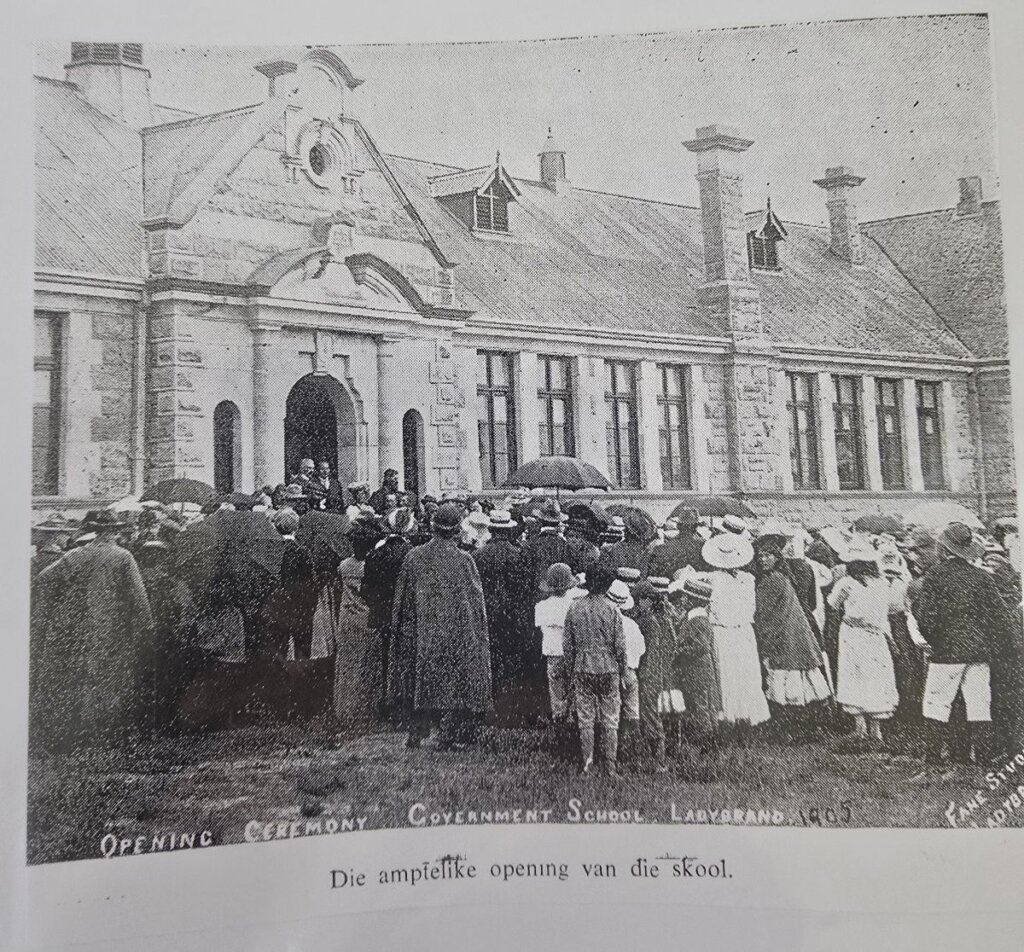
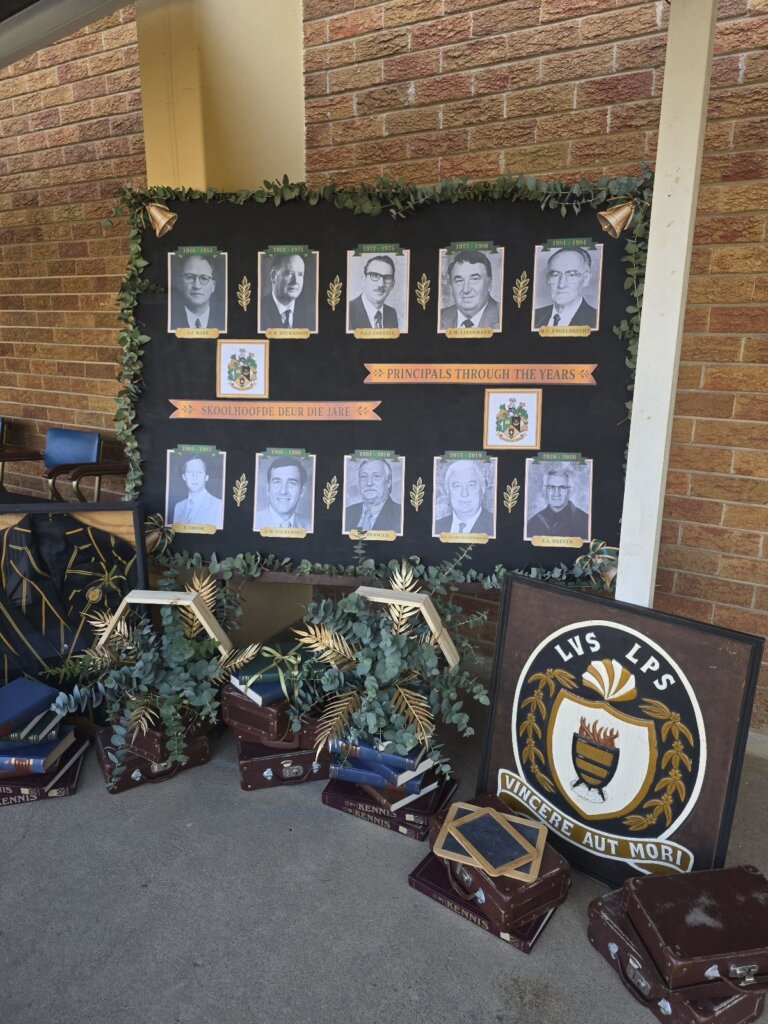
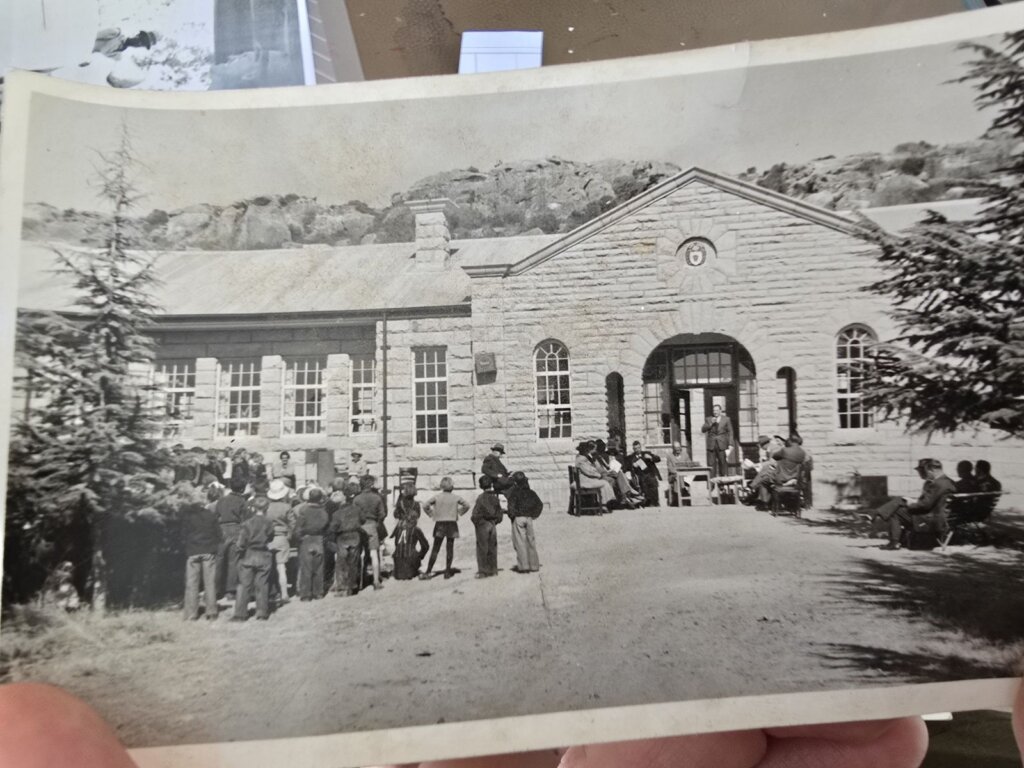
Luckily for me, someone had already done a great deal of the research. I got into contact with Mr Louis Fourie, who lives just a few houses from us. He was a learner and a teacher at Ladybrand Primary School! While being part of the school’s history, he has also compiled a book about the school’s history!
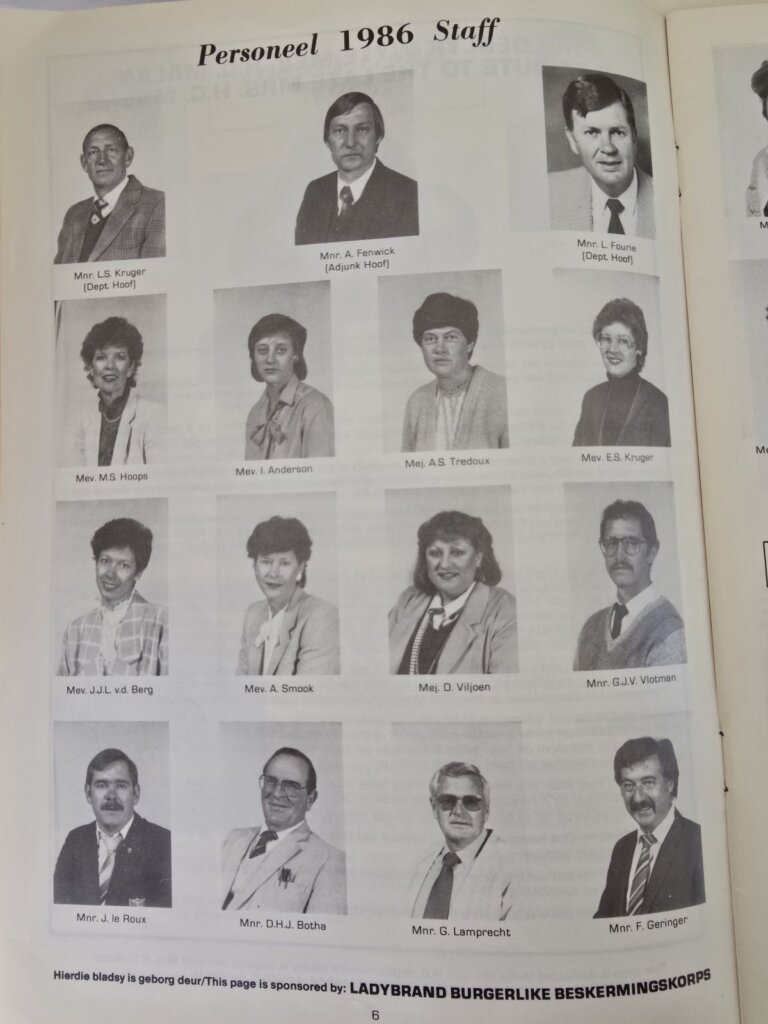
Writing the concert also came with a few practical challenges. Mnr. Dreyer wanted the whole school to take part, while some teachers were understandably concerned that the younger children, especially the Grade Rs and Grade 1s, would not be able to stay awake for a very long evening.
The School of Skills also had to be included. There had to be poetry, drama, singing and dancing, and each group needed its own opportunity to take part. At the same time, nobody wants to sit through a school concert that lasts ten hours.
So, the challenge was to find one story that could hold everything together, give everyone a place in it, keep the concert moving and celebrate the school’s history as well as what the school is now.
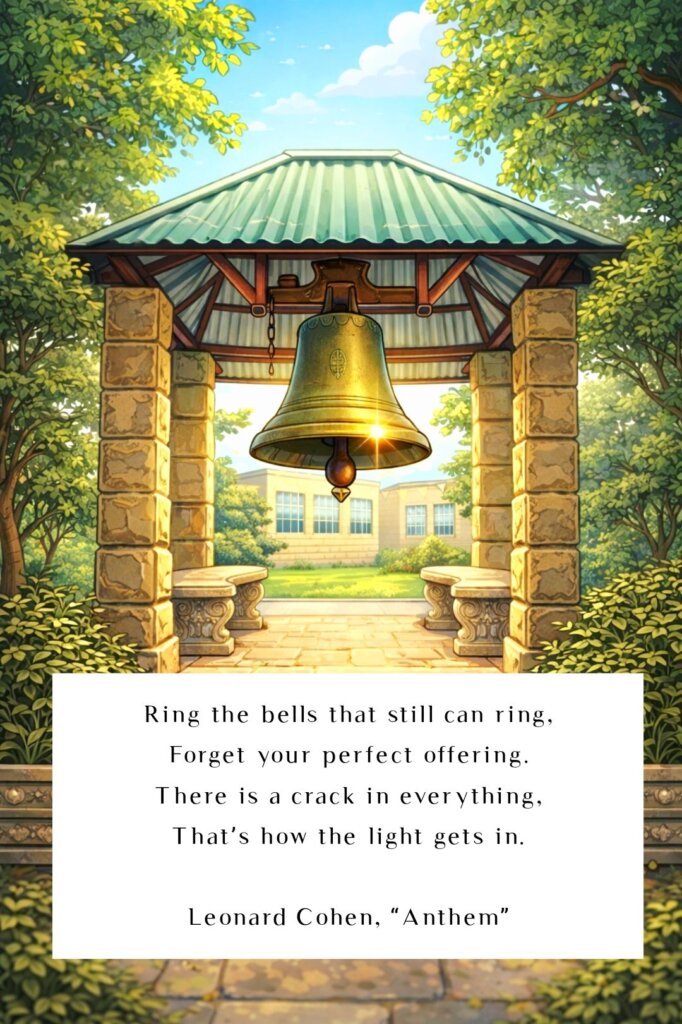
Then I remembered that the Grade 1s ring the old school bell on their first day, and the Grade 7s ring it again on their last day. That is where the idea for the concert came from.
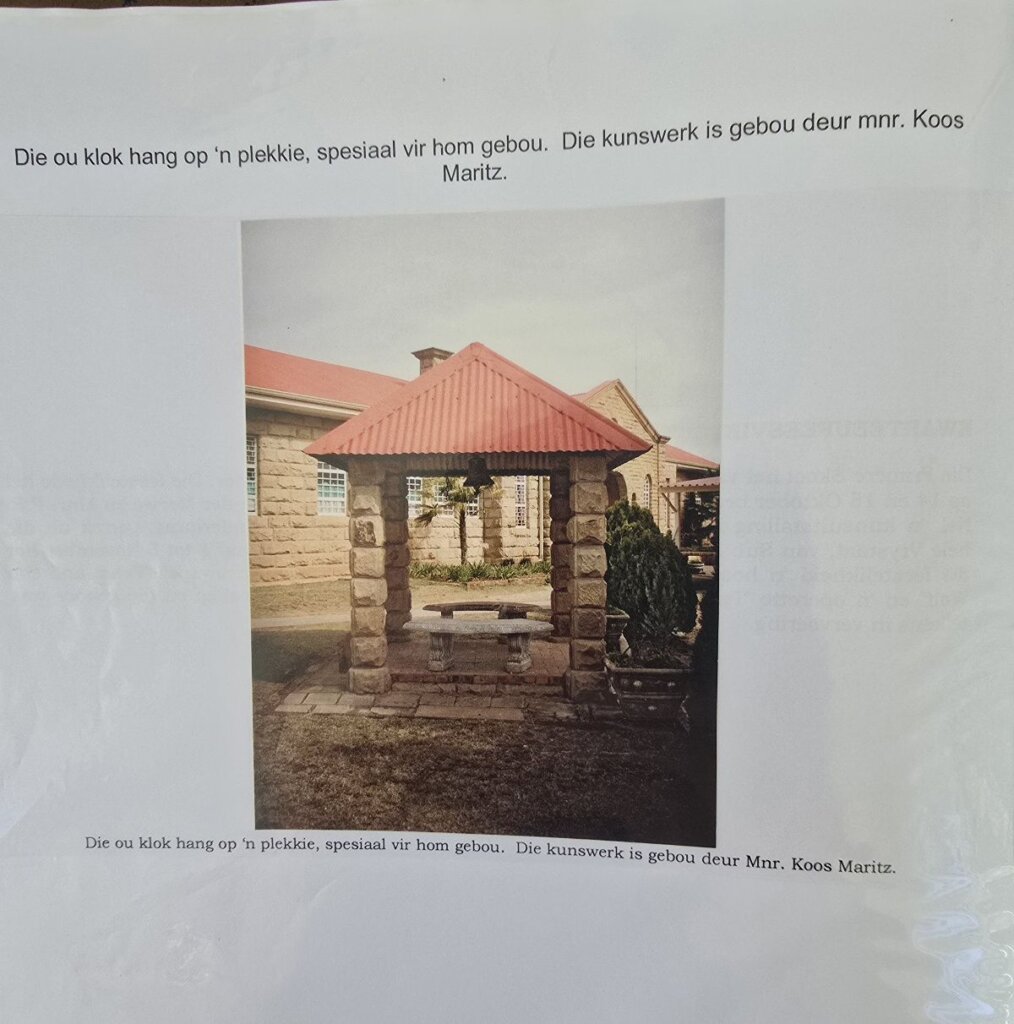
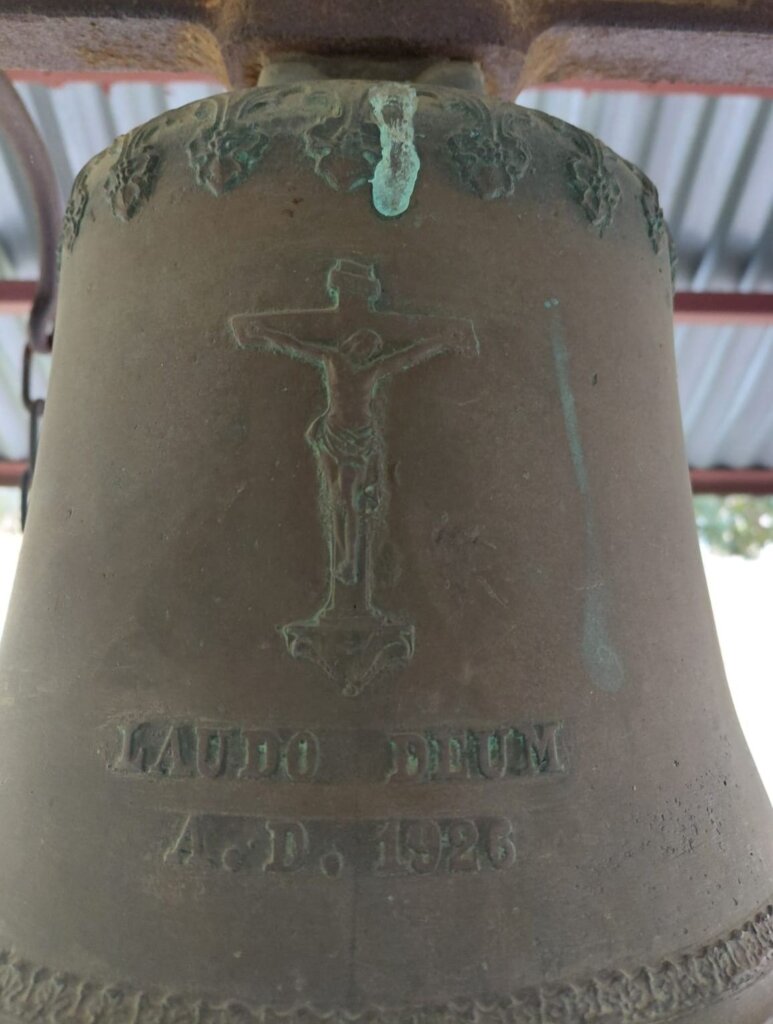
“Laudo Deum 1926” which is Latin and means “I give praise to God.”
This is the introduction I wrote for the concert programme:
The story begins in 2026 when an old school bell is discovered in the storeroom. Out of curiosity the children ring the bell, not realising that it has a mind of its own. Each time it rings, it pulls them into a different moment in the school’s history. They land in real events, meet real people who shaped the school, and see how things looked and felt in different eras. As the journey unfolds, the students and the audience begin to see how every generation added its own light and effort to the school’s story. Now it is their turn to shine, to learn, and to do their best. Because when the bell rings again, a new group of children will step forward to carry on the legacy.
The early history of education in Ladybrand is quite inspiring. I was amazed by the way people rebuilt their education system after times of hardship. I was especially impressed by how Afrikaans speaking people fought to keep their language alive by establishing their own schools after the government schools were forced to only educate in English.
Because of my own mixed Afrikaans and English roots, I tend to feel for, and try to understand, everyone’s side of a story. A few years ago, I even discovered that I had both Afrikaans and English family involved in the Anglo Boer War! It’s a long story but perhaps it explains a bit why, at times, I feel like the victim and the perpetrator all at once.
But this is not about my history or about choosing sides.
It is about remembering where we as a school came from, recognising what people endured and appreciating what they built. And now, in 2026, we celebrate 80 years of Ladybrand Primary school. I think we will all enjoy reminiscing about the past… especially the music from previous decades.
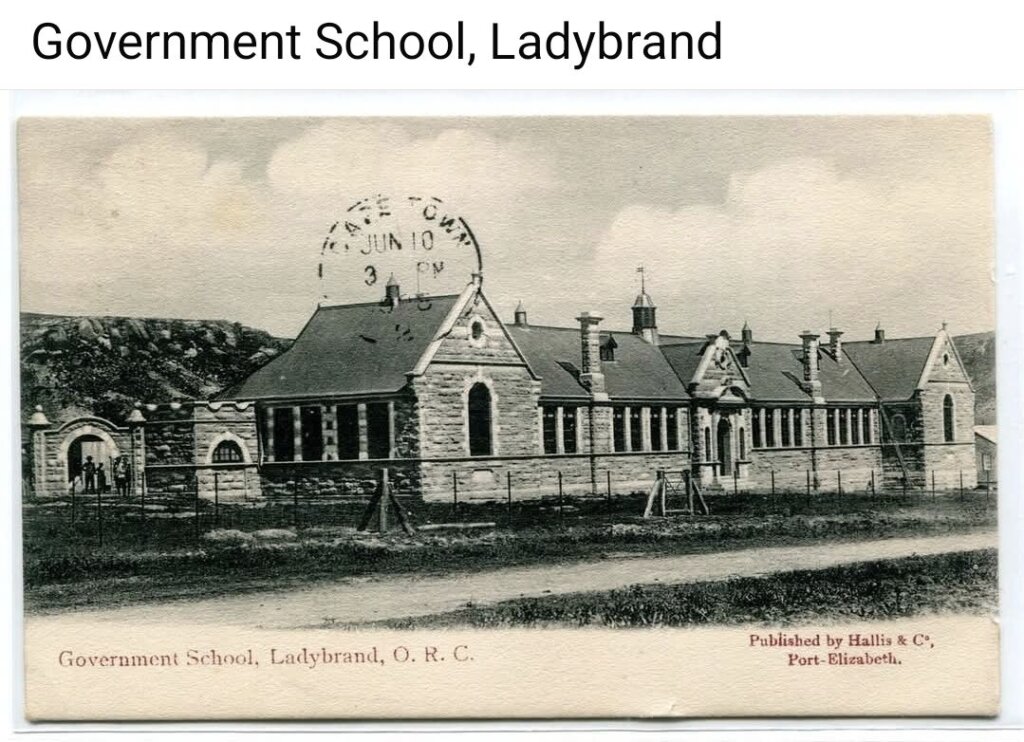
Education in Ladybrand began long before Ladybrand Primary School was established as a separate school.
The town of Ladybrand was founded in 1867. Ladybrand was named after the mother of Johannes Brand, who was President of the Orange Free State at the time, and not after his wife.
In the early years, children were taught in homes and church buildings. In 1872, the first school was established under the leadership of Reverend Louis Hugo of the Dutch Reformed Church, with lessons taking place in the church building.
A government school building was later completed and formally opened in 1876.
Children from the surrounding farms sometimes travelled to school by horse, donkey or cart. Distances were long and the roads were not always easy.
I have heard many “older” people talk about how far they had to walk to school, often barefoot and on snow. (This was not only in Ladybrand, so it must have been quite common across the country back then.)
These days, rather embarrassingly, I mostly drive to fetch my children from school, even though we live only about 300 metres away! 🙈
“I finished university without ChatGPT!” is apparently the new: “I used to walk 10km to school” line that you can brag about to your children and grandchildren one day.
One of the things that stood out to me about the history was how much the people of Ladybrand valued education. Even when circumstances were difficult, they found ways to teach their children.
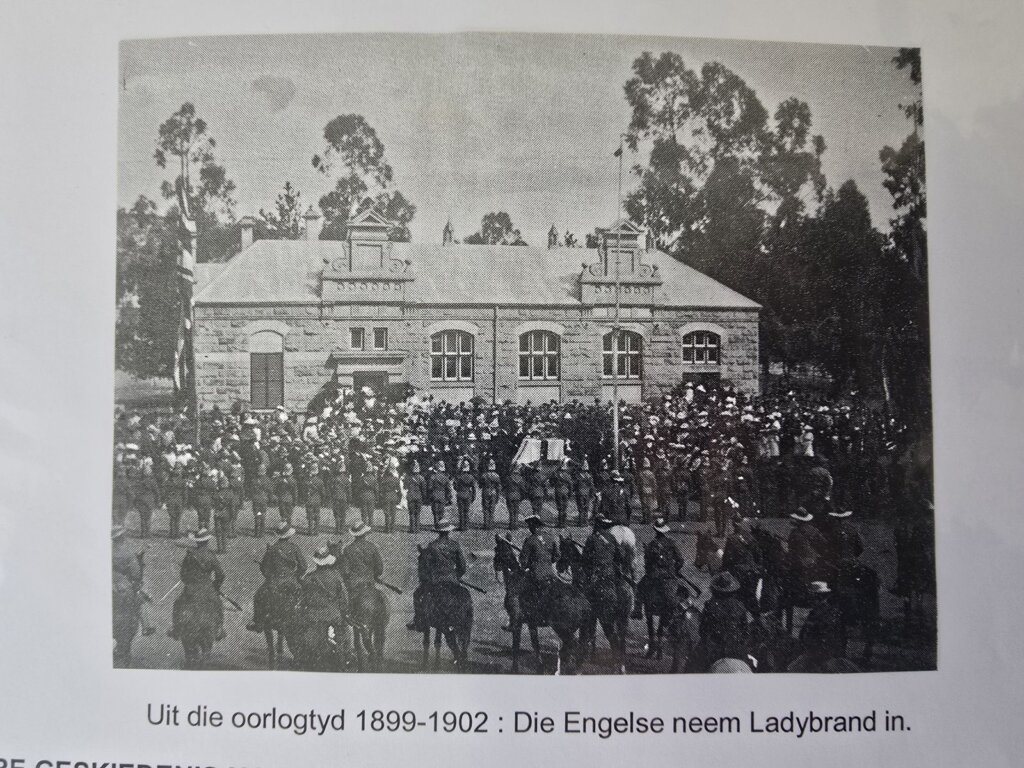
The Anglo Boer War, which broke out on 11 October 1899, had a devastating effect on education in the town, and the government school had to close.
After the British occupation of Ladybrand in 1900, Mr Daan van Soelen was asked to reopen the school. This was a difficult task because the school building had been converted into a hospital. A room in the kindergarten section was also used to hold prisoners of war and people who had been placed on the enemy’s blacklist.
The hospital was evacuated in 1902, allowing education to continue. I cannot help wondering how eerie it must have felt for the children to sit in a building they knew had been used as a war hospital only a short time before. But also, I think those children had been through so much during the war days.
Before the war, orphaned children were usually taken in by relatives or other families rather than placed in institutions, but the enormous loss caused by the war overwhelmed this traditional system, creating the need for orphanages like Ladybrand’s Heritage House that opened in 1904.
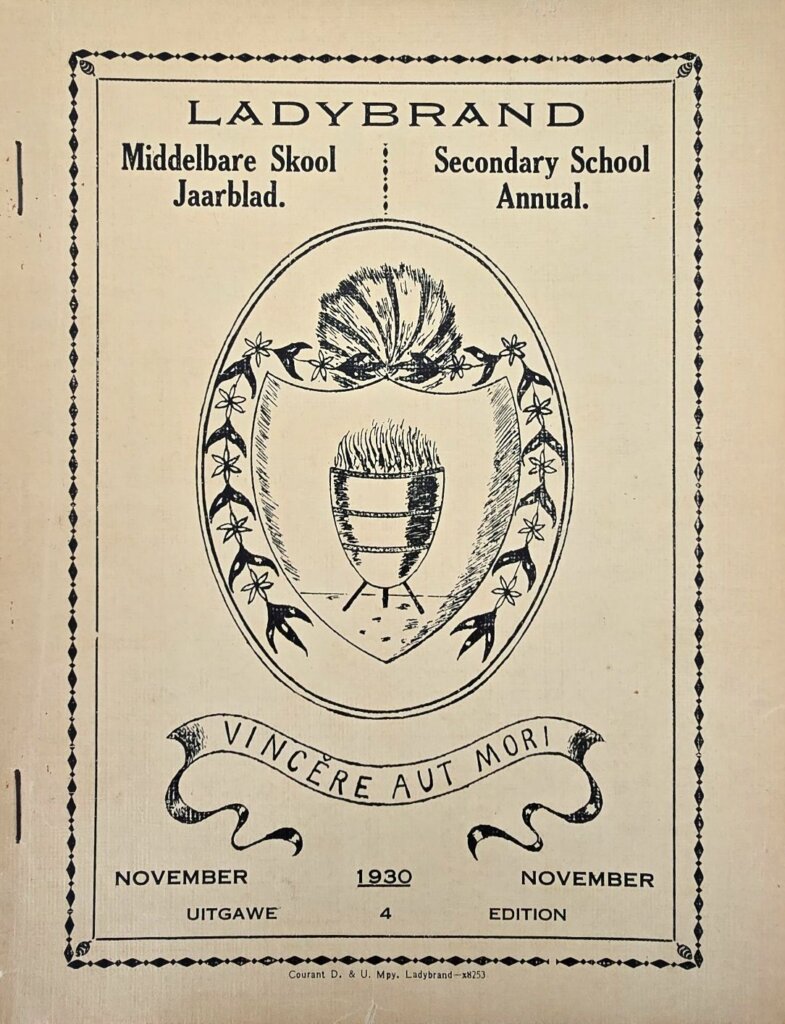
No wonder the school’s motto is “Win or Die.”
The new British educational system strongly promoted English and aimed to anglicise Afrikaner children. English became the language of instruction, and teachers were brought in from England.
The Afrikaans (then still Dutch) speaking community did not simply allow its language and identity to disappear after defeat in the war. Communities established their own schools, and people continued to work for education in their own language.
Afrikaans developed largely from Dutch, while also carrying influences from several other languages and communities. It was formally recognised as an official language in 1925.
Eventually a spirit of collaboration and mutual respect developed between the Afrikaans and English speaking communities in the town.
We share these stories not to reopen old divisions, but to remember how meaningful language can be.
Today we are a school and a country of many languages and many backgrounds.
Originally, the primary and high school sections formed part of one school.
The earlier school was housed in the old sandstone building on the corner of Joubert and Fifth street. In 1904, a new school building was erected in Collin Street, where Ladybrand High School stands today.
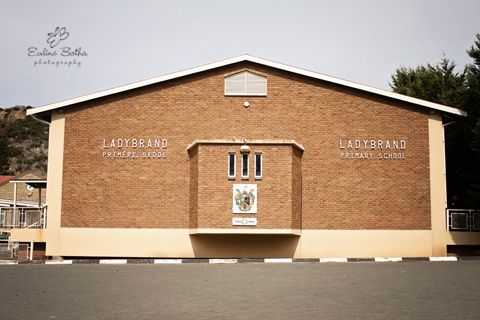
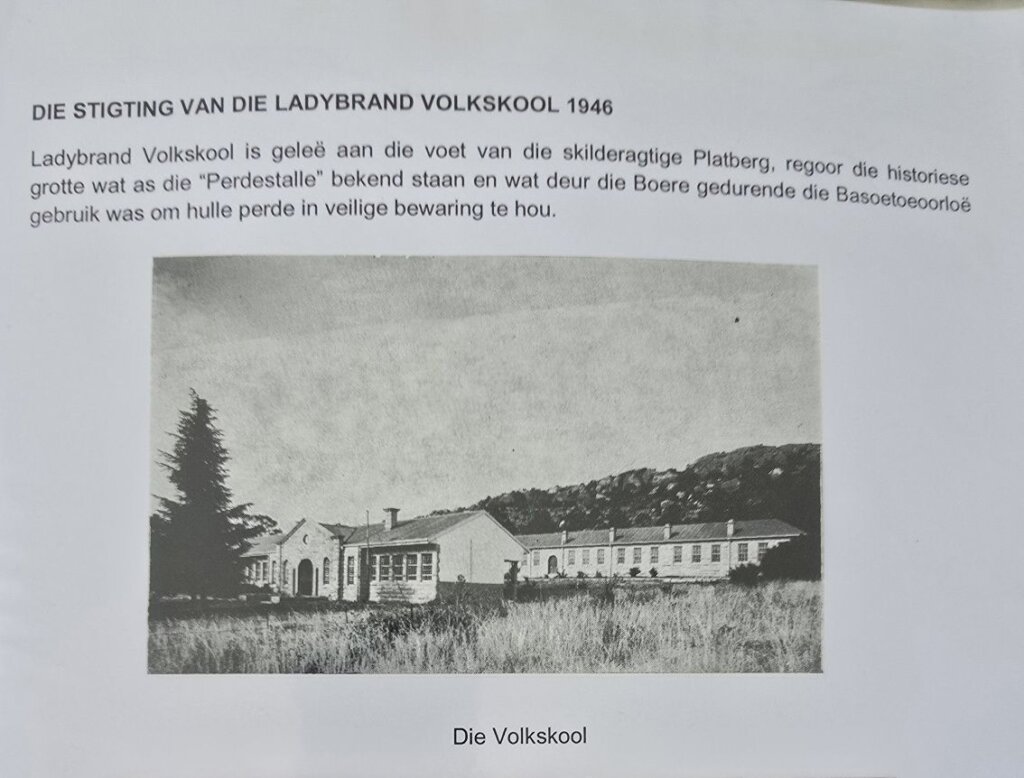
As learner numbers increased, a separate primary school was established on the site where Ladybrand Primary School still stands today. That same year, construction began on eight classrooms.
The main building was erected in 1953 under the supervision of builder Dries Venter. In 1967, further expansion was completed, including the school hall, by builder Mr Joe Pietrucci.
Because the school stood beside the dam, it became known as “The Dam School.”
Today, the “dam school” remains a living community. The buildings have grown. The languages of the learners have multiplied. The world has changed. Ladybrand Primary School can be proud of all the different people who have walked through her doors.
When we look back, we see more than bricks and mortar. We see children arriving by donkey, horse and cart. We see teachers trying to continue their work through war and uncertainty. We see communities who believed that knowledge brings light.
That determination still lives at our school.
And just as the Grade 1s ring the bell when they begin their journey, and the Grade 7s ring it when they prepare to leave, every child becomes part of the story between those two moments.
The bell reminds us that every start, and every ending, is part of the same story…. Our story.
Historical sources
Ladybrand Primer Geskiedenis, Fourie, Louis, former learner and teacher at Ladybrand Primary School, historical research and written account of the history of Ladybrand Primary School.
Ladybrand High School, ‘History of Our School’, Ladybrand High School website, 30 July 2015, https://www.ladybrandhighfs.co.za/the-school/
South African History Online, ‘The South African War, 1899–1902’, South African History Online, https://www.sahistory.org.za/article/south-african-war-1899-1902
South African Heritage Resources Agency, ‘Main Building and School Hall, Ladybrand High School, Collin Street, Ladybrand’, National Inventory of the Cultural Property of South Africa, heritage site reference 9/2/325/0017.
The History of Ladybrand, Modderpoort and Clocolan Facebook Page